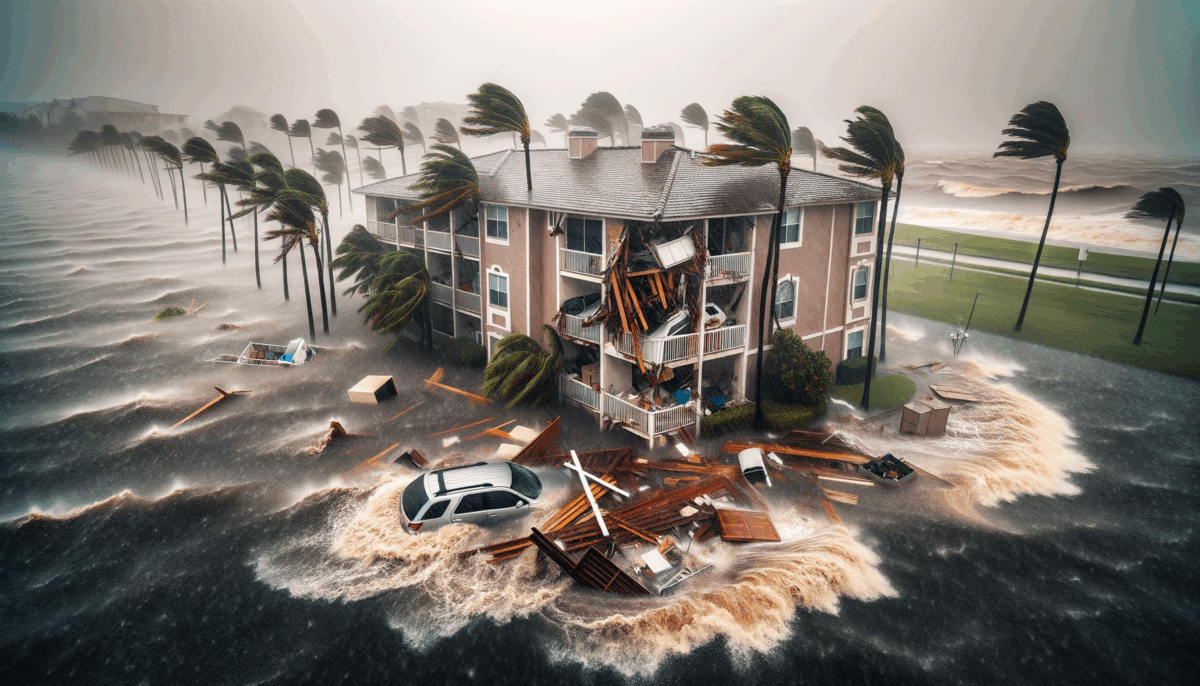
Living in Florida comes with the unique challenge of facing frequent and sometimes severe storms. From hurricanes to tropical depressions, the state’s location makes storm preparation a necessity for every homeowner. Understanding the types of storm insurance available is crucial for safeguarding your property. This article explores the different insurance options Floridians should consider to ensure comprehensive protection.
Understanding the Need for Storm Insurance in Florida
Florida’s subtropical climate and proximity to the Atlantic Ocean and Gulf of Mexico put it at the heart of hurricane activity in the United States. Each year, residents brace for hurricane season, which brings with it the risk of heavy rainfall, powerful winds, and storm surges. These natural events can cause catastrophic property damage, disrupting lives and communities.
Standard homeowners’ insurance may not cover all the damages caused by these storms. The high frequency and intensity of weather events in Florida make specialized storm insurance policies essential. Without the right coverage, homeowners may face significant out-of-pocket expenses for repairs, rebuilding, or even temporary relocation.
Given these risks, it’s vital to understand the mechanisms and limitations of various storm-related insurance policies. By being proactive and informed, Floridians can secure peace of mind knowing their homes and investments are protected.
Homeowners Insurance and Storm Coverage Explained
Homeowners insurance is often the first line of defense against property damage, but its coverage for storm-related incidents can be limited. Typically, a standard policy will cover wind damage to your home and personal belongings. However, damage caused by flooding—one of the most common storm-related disasters in Florida—is generally excluded.
It’s also important to note that many homeowners’ insurance policies in Florida come with separate deductibles for hurricane or windstorm damage. This means that you may have to pay a larger portion out of pocket before the insurance kicks in, compared to other types of claims. Understanding these deductibles and exclusions is crucial so you’re not caught off guard after a storm.
To ensure full protection, homeowners should review their current policy with their insurance agent. Identifying any gaps in coverage allows for timely adjustments, whether through policy upgrades or by purchasing supplemental insurance tailored to Florida’s unique storm risks.
Flood Insurance: Protecting Against Florida’s Waters
Flooding is among the most destructive and costly consequences of Florida’s storms, yet it is not covered under standard homeowners’ insurance policies. The National Flood Insurance Program (NFIP) offers separate flood insurance that all Floridians, especially those in designated flood zones, should strongly consider.
Flood insurance provides coverage for both the structure of your home and your personal belongings, helping you recover from water damage after hurricanes, heavy rains, or storm surges. Since there is typically a 30-day waiting period before coverage becomes effective, it’s crucial to secure a policy well before the start of hurricane season.
With rising sea levels and unpredictable rainfall patterns, flood insurance is more relevant than ever. Whether you live on the coast or further inland, understanding your flood risk and purchasing appropriate coverage is a key step in comprehensive storm preparedness.
Windstorm Insurance: Guarding Against High Winds
Florida’s storms are notorious for their powerful winds, which can tear roofs from homes, shatter windows, and topple trees. While some homeowner’s policies include windstorm coverage, others may exclude it. Requiring the purchase of a separate windstorm insurance policy.
Windstorm insurance specifically protects against damage caused by high winds, tornadoes, and hurricanes. This type of policy covers repairs to the structure of your home. In some cases, detached structures like garages or sheds. It can also help with the cost of temporary living arrangements if your home becomes uninhabitable due to wind damage.
Because windstorm risk varies geographically within Florida, insurance requirements and costs differ by region. Checking your policy for windstorm exclusions and supplementing coverage ensures you’re not left financially vulnerable.
Additional Policies for Comprehensive Storm Protection
Beyond the basics of flood and windstorm insurance, Floridians can further fortify their storm protection with additional policies and endorsements. One option is sewer backup coverage. Which protects against water damage from overwhelmed drainage systems—a common issue during severe storms.
Another valuable addition is loss of use coverage, which pays for living expenses if your home is rendered uninhabitable after a storm. This can include hotel stays, rental homes, and additional meal costs. Offering crucial relief during the difficult aftermath of a disaster.
Umbrella insurance policies can provide an extra layer of liability protection, covering costs that exceed the limits of your standard policies. By evaluating your personal risks and consulting with insurance professionals. You can tailor your coverage for maximum peace of mind, no matter what Florida’s weather brings.
Conclusion
Insuring your home against Florida’s storm threats is an essential step toward protecting your property, assets, and family’s well-being. By understanding the different types of storm insurance—homeowners, flood, windstorm, and supplemental policies. You can create a comprehensive safety net tailored to the Sunshine State’s unique challenges. Don’t wait for the next storm to strike—review your coverage today and ensure that you’re well-prepared for whatever nature has in store.