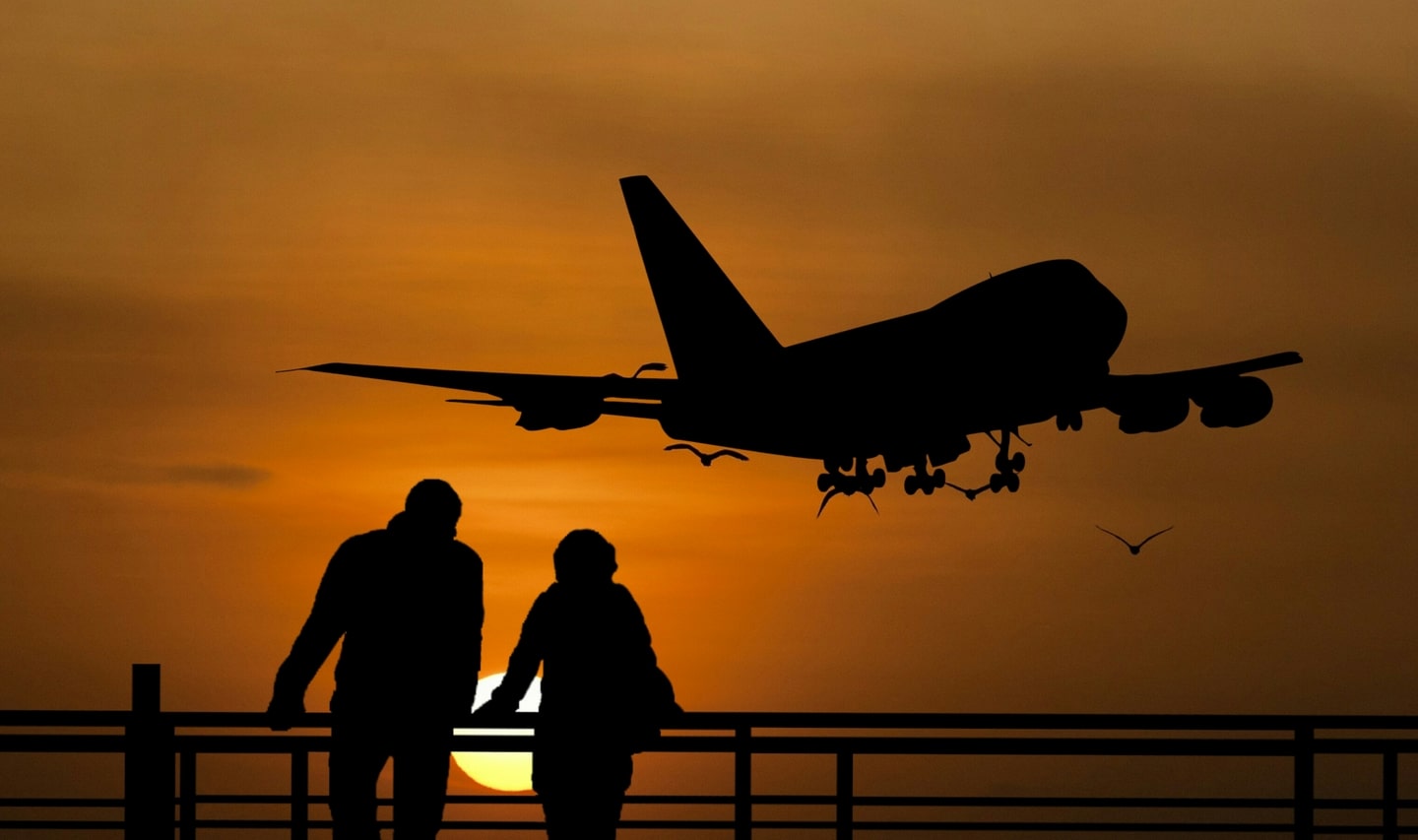



Travel is more than a change of scenery; it is a pilgrimage that can challenge, refine, and deepen a person’s faith. When we step beyond the boundaries of our familiar routines, we encounter experiences that both test and inspire us. These journeys, whether across continents or into the next town, often become profound spiritual adventures. This article examines how the act of traveling, in all its unpredictability, can serve as a crucible for spiritual growth, offering lessons that linger long after we return home.
Stepping Into the Unknown: Embracing the Journey
The first step of any journey often stirs a mix of excitement and apprehension. Leaving behind what is comfortable and secure is no small feat. It’s natural to feel hesitation, to wonder whether the time is right, whether you are prepared, or whether the unknown is too great a risk. Yet, faith itself is rooted in this willingness to go where certainty cannot follow, to trust in things unseen.
Travel invites us to literally and figuratively place one foot in front of the other, not knowing what lies around the corner. It echoes the biblical stories of Abraham, Moses, and countless others who were called out of their comfort zones. Each journey begins with a “yes,” an act of trust that the path will be made clear, step by step, as we proceed.
Embracing the journey means accepting that not everything can be planned or controlled. The uncertainties of travel mirror the uncertainties of life and faith. When we venture out, we practice letting go of anxiety, of control, of the need to know what’s next. This surrender is often where faith begins to stretch and strengthen.
Every departure is a declaration: I am willing to trust that there is something beyond what I can see or understand. The journey, then, is not just about reaching a destination, but about cultivating a spirit of openness and curiosity. Moreover, it is attuned to growth and possibility in every new step.
Facing Obstacles: Finding Faith in Difficult Moments
No journey is free from challenges. Whether it’s a missed train, a daunting language barrier, or an unexpected illness, travel quickly teaches us that things rarely go as planned. These moments, uncomfortable as they are, invite us to rely more deeply on God, on our inner resources, and sometimes on the kindness of strangers.
It’s in these troubled waters that faith is refined. When plans unravel, we are reminded of our vulnerability and our need for guidance and provision. Many travelers, looking back, recall that the most challenging moments were also the most formative, pushing them to pray more, trust more, and discover strength they didn’t know they had.
When we encounter obstacles, we are given a chance to reframe them as opportunities for spiritual growth. Each trial can be seen as a call to remember God’s faithfulness, to lean on promises and truths that might otherwise remain abstract and distant. In the face of adversity, faith becomes a tangible reality. It is a lifeline rather than a distant concept.
These experiences teach us that God’s presence is not confined to the familiar but meets us in all the unpredictable places. The resilience we develop on the road often translates into greater courage and compassion when we return home, shaping us into people who can face life’s challenges with quiet confidence.
New Horizons: How Travel Shapes Our Perspective
Travel exposes us to new cultures, landscapes, and ways of life. Each new horizon broadens our understanding, not only of the world, but of ourselves and our place in it. Encountering different traditions and beliefs can sharpen our faith, challenging assumptions and inviting us to see with fresh eyes.
As we move through foreign places, we are reminded of the vastness and diversity of creation. The inspiring beauty of nature, the richness of human culture, and the intricate tapestry of daily life all speak to the Creator’s creativity and greatness. This exposure often leads to a deepened sense of wonder and gratitude.
Meeting people whose lives look nothing like our own can also humble and expand us. We learn that faith is not the same for everyone, but takes on many expressions. Witnessing the faith and resilience of others, even in the face of hardship, can inspire and encourage us in our spiritual journeys.
Ultimately, travel teaches us that God’s love and presence are not bound by geography or culture. Every place and every person reflects a facet of the divine. We return home with eyes opened wider, hearts more compassionate, and faith that is both more rooted and more expansive.
Solitude and Silence: Meeting Yourself on the Road
Travel often means spending time alone, such as riding a quiet train, eating in a bustling café, or walking unfamiliar streets. These moments of solitude, though sometimes uncomfortable, offer a rare opportunity for self-reflection and spiritual renewal. In the silence, we come face to face with ourselves. We can’t escape our fears, our hopes or our most profound questions.
Away from the noise of daily life, we can hear God’s gentle whisper more clearly. The quiet spaces of travel become sacred ground, places where prayer feels more immediate and honest. We may find ourselves journaling, praying, or simply being still. These actions allow insights to surface that might have been drowned out at home.
Solitude is not about loneliness, but about meeting ourselves as we truly are. The road strips away distractions and compels us to confront what we carry within. Sometimes, it’s in these moments that we find clarity about our direction, healing for old wounds, or the peace that comes from being known.
Embracing solitude on the journey helps us recognize that we are never truly alone. God meets us in the quietest places, offering comfort, guidance, and companionship. Learning to savor these moments makes it easier to seek out silence and stillness even after the journey ends.
Connections Made: Discovering God in New Places
One of the greatest gifts of travel is the unexpected connections we make along the way. A shared meal, a kind gesture, or a conversation with a stranger can become a profound encounter with grace. These moments remind us that God often shows up through others. Many testify to his appearance in the most unlikely places.
Building relationships across cultures and differences teaches us to see the image of God in every person. We learn that hospitality, generosity, and kindness are universal languages that transcend cultural boundaries. They are signs of the Spirit at work in human hearts. These connections can break down barriers, dissolve prejudices, and foster a sense of global community.
As we open ourselves to others, we also open ourselves to God’s surprises. The friendships formed on the road often carry spiritual significance, shaping our understanding of what it means to love our neighbor. Sometimes, a chance encounter becomes a turning point, offering guidance, encouragement, or a glimpse of God’s providence.
Travel reminds us that faith is not meant to be lived in isolation. Every journey is enriched by the people we meet, the stories we hear, and the communities we glimpse. These connections become a vital part of our spiritual narrative, reminders that God’s family is vast, diverse, and constantly growing.
Returning Changed: Integrating Lessons Into Daily Life
Coming home after a journey can be a bittersweet experience. The familiar welcomes us, but we may find ourselves changed, carrying new insights, habits, and perspectives. The challenge lies in integrating what we’ve learned on the road into the rhythms of everyday life.
Travel teaches us to live with greater trust, openness, and gratitude. The lessons of resilience, compassion, and faithfulness gained through our experiences do not have to fade as routine resumes. Instead, they can infuse daily tasks with new meaning, prompting us to approach life with wisdom and grace.
The journey also invites us to share our stories. Our testimonies explain how God met us, stretched us, and walked with us in unfamiliar places. These stories can encourage others, spark conversations about faith, and remind us that every life is a journey worth sharing.
Ultimately, the most excellent fruit of travel is not simply in the memories made, but in the ways we are transformed. As we integrate the lessons of the journey, we become more attentive, more loving, and more faithful. However, we must continue walking forward, wherever we are, with hearts that have truly been transformed.
Conclusion
Every journey holds the potential to shape our faith in profound ways. Whether facing challenges, embracing solitude, or forging new connections, travel invites us into deeper trust and discovery. As we return to our daily lives, may we carry the lessons of the road with us. I pray your heart is open to growth, ready to serve, and confident that wherever we go, God walks beside us. The journey continues, and so does the adventure of faith.