

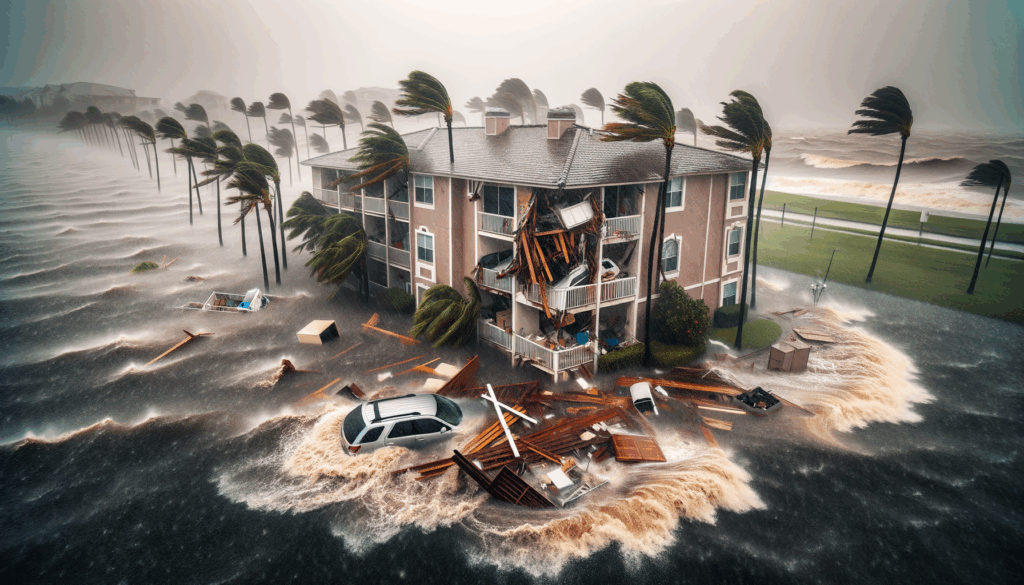

Guiding You Through Florida’s Homeowners Insurance in 2025

Understand the factors driving rising homeowners insurance costs in Florida and how to manage them effectively. From climate risks to legislative changes, the landscape is evolving, and so should your approach to protecting your home. This section shares insights into how homeowners can adapt, save on premiums, and ensure their homes are adequately covered amidst the challenges of 2025.

See How Preparedness Shapes Our Journeys

Every journey, whether across the world or just a few miles from home, challenges and refines us. Just like stepping into the unknown on a travel adventure, embracing life’s uncertainties strengthens our faith and deepens our understanding. Explore stories of how travel has shaped perspectives, transformed faith, and inspired growth.

  • Boating Insurance In Florida

    Florida is known for its sunny weather, miles of coastline, and vibrant boating culture. With thousands of boats gracing its lakes, rivers, and expansive oceanfront, boating insurance plays a vital role in protecting owners from potential risks. Whether you’re a resident or just enjoy seasonal cruises, understanding boating insurance in Florida is crucial for peace of mind on the water.

    Understanding the Basics of Boating Insurance in Florida

    Boating insurance in Florida is designed to protect boat owners from financial loss due to accidents, theft, natural disasters, and liability claims. Unlike auto insurance, boating insurance is not legally required by the state for most vessels, but it is highly recommended—especially considering the unpredictable weather and high traffic on Florida’s waters. Many marinas also require proof of insurance before allowing you to dock your boat.

    Florida’s unique environment presents specific risks, such as hurricanes, tropical storms, and a long boating season, making comprehensive protection essential. Standard homeowner’s policies often offer limited coverage for boats, typically excluding many incidents that can occur on the water. Dedicated boating insurance bridges these gaps, ensuring you’re not left footing a hefty bill in the event of an emergency.

    Boat insurance policies in Florida can vary widely depending on the type, size, and value of your vessel, as well as how and where you use it. From small fishing boats to luxury yachts, understanding the basics helps you make informed decisions when shopping for the right policy. Working with a knowledgeable insurance agent familiar with Florida’s unique risks is often beneficial.

    Key Coverage Options for Florida Boat Owners

    When considering boating insurance in Florida, there are several core coverage options that every boat owner should evaluate. The most common is physical damage coverage, which protects your vessel against damage from collisions, fire, theft, vandalism, and severe weather events—a crucial consideration given Florida’s hurricane season. This coverage typically includes both the boat itself and attached equipment like motors and trailers.

    Liability coverage is another fundamental component, safeguarding you in case you are held responsible for injuries to others or damage to their property. Boating accidents can result in significant medical or repair bills, and liability insurance ensures you are protected financially. Some policies also offer fuel spill liability and wreck removal, which can be particularly important in Florida’s environmentally sensitive waters.

    Additional options include personal effects coverage, which protects personal belongings brought onboard, and uninsured/underinsured boater protection, which covers your losses if you’re involved in an accident with a boater who lacks sufficient insurance. Many insurers offer customizable packages, allowing Florida boaters to tailor their policies to match their individual needs, vessel type, and usage patterns.

    Tips for Choosing the Right Boating Insurance Policy

    Selecting the right boating insurance policy in Florida involves more than simply picking the cheapest option. Start by thoroughly assessing your specific needs: consider your boat’s value, how often you use it, and where you typically operate. A policy that works for someone cruising the Intracoastal Waterway may not be suitable for deep-sea fishing off the coast or for keeping a boat in a hurricane-prone marina.

    Comparing quotes from multiple insurers is a smart move, as coverage details and premiums can vary significantly. Pay close attention to policy exclusions, deductibles, and the claims process. Choosing an insurer with a strong reputation for customer service and prompt claims handling can make a substantial difference if you ever need to file a claim—especially after a major weather event.

    Lastly, consider bundling your boating insurance with other policies, such as home or auto, to qualify for multi-policy discounts. Regularly reviewing your policy and updating it as your boating habits or vessel change ensures you maintain the right level of protection. Consulting with an agent who understands the nuances of Florida boating can help you secure comprehensive and cost-effective coverage.

    Boating in Florida is a cherished pastime, but it comes with unique risks that make proper insurance a necessity rather than a luxury. By understanding the basics of boating insurance, evaluating key coverage options, and following smart shopping tips, you can protect both your investment and your peace of mind. With the right policy in place, you’ll be free to enjoy Florida’s beautiful waters with confidence, knowing you’re prepared for whatever the tides may bring.


  • Journey and Faith How Travel Challenges and Grows Your Walk

    Travel is more than a change of scenery; it is a pilgrimage that can challenge, refine, and deepen a person’s faith. When we step beyond the boundaries of our familiar routines, we encounter experiences that both test and inspire us. These journeys, whether across continents or into the next town, often become profound spiritual adventures. This article examines how the act of traveling, in all its unpredictability, can serve as a crucible for spiritual growth, offering lessons that linger long after we return home.

    Stepping Into the Unknown: Embracing the Journey

    The first step of any journey often stirs a mix of excitement and apprehension. Leaving behind what is comfortable and secure is no small feat. It’s natural to feel hesitation, to wonder if the time is right, if you are prepared, or if the unknown is too great a risk. Yet, faith itself is rooted in this willingness to go where certainty cannot follow, to trust in things unseen.

    Travel invites us to literally and figuratively place one foot in front of the other, not knowing what lies around the corner. It echoes the biblical stories of Abraham, Moses, and countless others who were called out of their comfort zones. Each journey begins with a “yes,” an act of trust that the path will be made clear, step by step, as we proceed.

    Embracing the journey means accepting that not everything can be planned or controlled. The uncertainties of travel mirror the uncertainties of life and faith. When we venture out, we practice letting go of anxiety, of control, of the need to know what’s next. This surrender is often where faith begins to stretch and strengthen.

    Every departure is a declaration: I am willing to trust that there is something beyond what I can see or understand. The journey, then, is not just about reaching a destination, but about cultivating a spirit of openness and curiosity. Moreover, it is attuned to growth and possibility in every new step.

    Facing Obstacles: Finding Faith in Difficult Moments

    No journey is free from challenges. Whether it’s a missed train, a daunting language barrier, or an unexpected illness, travel quickly teaches us that things rarely go as planned. These moments, uncomfortable as they are, invite us to rely deeper on God, on our inner resources, and sometimes, on the kindness of strangers.

    It’s in these troubled waters that faith is refined. When plans unravel, we are reminded of our vulnerability and our need for guidance and provision. Many travelers, looking back, recall that the most challenging moments were also the most formative, pushing them to pray more, trust more, and discover strength they didn’t know they had.

    When we encounter obstacles, we are given a chance to reframe them as opportunities for spiritual growth. Each trial can be seen as a call to remember God’s faithfulness, to lean on promises and truths that might otherwise remain abstract and distant. In the face of adversity, faith becomes a tangible reality. It is a lifeline rather than a distant concept.

    These experiences teach us that God’s presence is not confined to the familiar but meets us in all the unpredictable places. The resilience we develop on the road often translates into greater courage and compassion when we return home, shaping us into people who can face life’s challenges with quiet confidence.

    New Horizons: How Travel Shapes Our Perspective

    Travel exposes us to new cultures, landscapes, and ways of life. Each new horizon broadens our understanding, not only of the world, but of ourselves and our place in it. Encountering different traditions and beliefs can sharpen our faith, challenging assumptions and inviting us to see with fresh eyes.

    As we move through foreign places, we are reminded of the vastness and diversity of creation. The inspiring beauty of nature, the richness of human culture, and the intricate tapestry of daily life all speak to the creativity and greatness of the Creator. This exposure often leads to a deepened sense of wonder and gratitude.

    Meeting people whose lives look nothing like our own can also humble and expand us. We learn that faith is not the same for everyone, but takes on many expressions. Witnessing the faith and resilience of others, even in the face of hardship, can inspire and encourage us in our spiritual journeys.

    Ultimately, travel teaches us that God’s love and presence are not bound by geography or culture. Every place and every person reflects a facet of the divine. We return home with eyes opened wider, hearts more compassionate, and faith that is both more rooted and more expansive.

    Solitude and Silence: Meeting Yourself on the Road

    Travel often means spending time alone, such as riding a quiet train, eating in a bustling café, or walking unfamiliar streets. These moments of solitude, though sometimes uncomfortable, offer a rare opportunity for self-reflection and spiritual renewal. In the silence, we come face to face with ourselves. We can’t escape our fears, our hopes, our most profound questions in our minds.

    Away from the noise of daily life, we can hear the gentle whisper of God more clearly. The quiet spaces of travel become sacred ground, places where prayer feels more immediate and honest. We may find ourselves journaling, praying, or simply being still. These actions allow insights to surface that might have been drowned out at home.

    Solitude is not about loneliness, but about meeting ourselves as we truly are. The road strips away distractions and compels us to confront what we carry within. Sometimes, it’s in these moments that we find clarity about our direction, healing for old wounds, or the peace that comes from being known.

    Embracing solitude on the journey helps us recognize that we are never truly alone. God meets us in the quietest places, offering comfort, guidance, and companionship. Learning to savor these moments makes it easier to seek out silence and stillness even after the journey ends.

    Connections Made: Discovering God in New Places

    One of the greatest gifts of travel is the unexpected connections we make along the way. A shared meal, a kind gesture, or a conversation with a stranger can become a profound encounter with grace. These moments remind us that God often shows up through others. Many testify to his appearance in the most unlikely places.

    Building relationships across cultures and differences teaches us to see the image of God in every person. We learn that hospitality, generosity, and kindness are universal languages that transcend cultural boundaries. They are signs of the Spirit at work in human hearts. These connections can break down barriers, dissolve prejudices, and foster a sense of global community.

    As we open ourselves to others, we also open ourselves to God’s surprises. The friendships formed on the road often carry spiritual significance, shaping our understanding of what it means to love our neighbor. Sometimes, a chance encounter becomes a turning point, offering guidance, encouragement, or a glimpse of God’s providence.

    Travel reminds us that faith is not meant to be lived in isolation. Every journey is enriched by the people we meet, the stories we hear, and the communities we glimpse. These connections become a vital part of our spiritual narrative, reminders that God’s family is vast, diverse, and constantly growing.

    Returning Changed: Integrating Lessons Into Daily Life

    Coming home after a journey can be a bittersweet experience. The familiar welcomes us, but we may find ourselves changed, carrying new insights, habits, and perspectives. The challenge lies in integrating what we’ve learned on the road into the rhythms of everyday life.

    Travel teaches us to live with greater trust, openness, and gratitude. The lessons of resilience, compassion, and faithfulness gained through our experiences do not have to fade as routine resumes. Instead, they can infuse daily tasks with new meaning, prompting us to approach life with wisdom and grace.

    The journey also invites us to share our stories. Our testimonies explain how God met us, stretched us, and walked with us in unfamiliar places. These stories can encourage others, spark conversations about faith, and remind us that every life is a journey worth sharing.

    Ultimately, the most excellent fruit of travel is not simply in the memories made, but in the ways we are transformed. As we integrate the lessons of the journey, we become more attentive, more loving, and more faithful. However, we must continue walking forward, wherever we are, with hearts that have truly been transformed.

    Conclusion

    Every journey holds the potential to shape our faith in profound ways. Whether facing challenges, embracing solitude, or forging new connections, travel invites us into deeper trust and discovery. As we return to our daily lives, may we carry the lessons of the road with us. I pray your heart is open to growth, ready to serve, and confident that wherever we go, God walks beside us. The journey continues, and so does the adventure of faith.

  • Florida Renters Insurance Tips: Protecting Your Rental After Floods

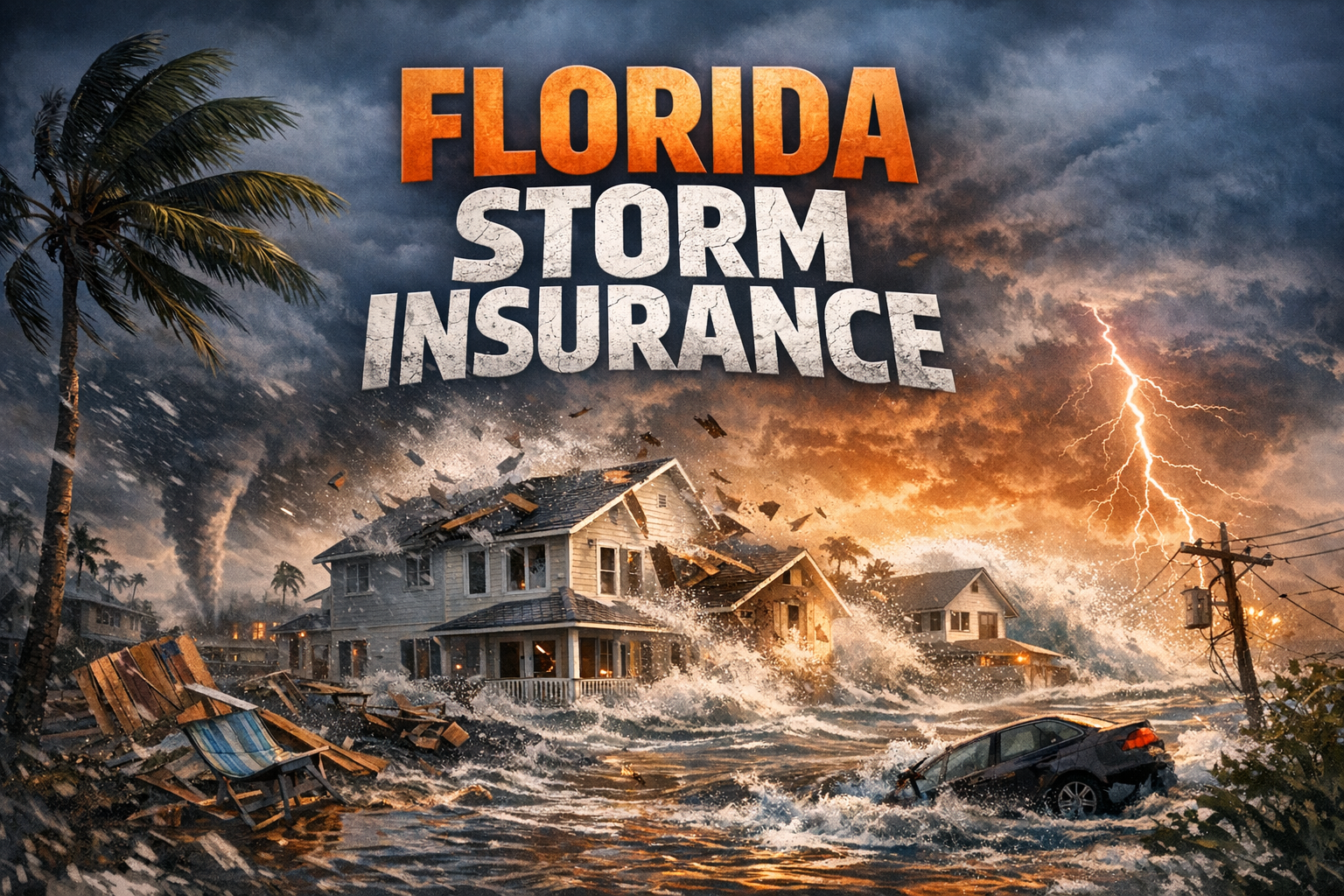
    Florida’s sun drenched beaches and palm lined streets make it a dream destination, but living in the Sunshine State comes with unique challenges, especially for renters facing the threat of flooding. Hurricanes, tropical storms, and heavy summer downpours can flood rental homes in minutes. As a Florida renter, being proactive and knowledgeable about Florida Renters Insurance and flood protection is not just wise;. It’s essential. Here’s your guide to safeguarding your rental, possessions, and peace of mind after the waters rise.

    Understanding Florida’s Flood Risks for Renters

    Florida is synonymous with water, from its winding rivers and sprawling coastlines to its seasonal rains. Unfortunately, this abundance also brings a persistent threat of flooding. Florida experiences more flood events than any other state in the U.S., with both inland and coastal communities susceptible to sudden water surges. Hurricanes and tropical storms can inundate entire neighborhoods. Still, even nonstorm days can deliver flash floods due to heavy rainfall and poorly draining soils.

    Renters often underestimate their exposure, assuming their landlord’s insurance will handle flood related losses. However, building insurance rarely covers the tenant’s belongings or personal liability. Whether living in a bustling Miami high rise or a cozy Orlando bungalow, understanding your local flood risk is crucial. Explore FEMA flood maps, speak to neighbors, and inquire about past flooding incidents in your building or area.

    Knowledge is power. The more you know about your environment, the better you’ll be prepared for the unexpected. Assessing your flood risk is the first and most crucial step in developing a protection plan tailored to your circumstances as a Florida renter with Florida renters insurance.

    Why Florida Renters Insurance Matters After a Flood

    Many renters discover too late that their landlord’s property insurance does not extend to their belongings. After a flood, this oversight becomes painfully clear when damaged furniture, electronics, and cherished keepsakes aren’t covered. Florida renters insurance, specifically with flood riders or supplemental policies, offers a safety net when the waters recede, and the repair bills start to mount.

    Not all standard renters insurance policies automatically include flood protection. Some cover water damage from broken pipes or leaks but exclude natural flooding. In Florida, where threats are ever present, you must verify exactly what your policy does and doesn’t protect. Failing to do so could leave you responsible for replacing everything you own.

    Having renters insurance isn’t just about reimbursement. It also provides peace of mind, knowing you have support for temporary housing, meal expenses, and the logistics of recovering from a disaster. In the emotional and financial aftermath of a flood, this layer of security can make all the difference.

    Key Florida Renter Insurance Coverage Options Every Tenant Should Know

    When shopping for Florida renters insurance, look beyond the basics. Personal property coverage should account for the replacement cost of your belongings, not just their depreciated value. Check whether your insurer offers “replacement cost coverage” versus “actual cash value.” The former ensures you can buy new items, not just receive a fraction of their worth.

    Basic Florida renters insurance typically excludes flood damage. Still, supplemental flood insurance in Florida is available from the National Flood Insurance Program (NFIP) or private insurers. This added policy can cover losses due to rising waters, mudflows, and other flood related circumstances. Look for policies that include coverage for structural damage (if you’re responsible for fixtures) and personal property.

    Don’t overlook additional living expenses (ALE) coverage. Suppose your rental becomes uninhabitable after a flood. In that case, ALE helps cover hotel bills, meals, and other out of pocket costs while repairs are underway. This essential benefit can be a lifeline as you rebuild your daily routine.

    Steps to Take Immediately After Flood Damage

    When floodwaters invade your home, your safety comes first. Evacuate if necessary and avoid contact with standing water, which may be contaminated. Once it’s safe to return, document everything: take photos and videos of damaged belongings, water levels, and every affected room. This visual evidence will be crucial for your Florida renters insurance claim.

    Next, notify your landlord and Florida renters insurance provider as soon as possible. Quickly reporting a loss not only speeds up the claim process but may also fulfill a requirement in your policy. Ask your landlord about the building’s insurance and coordinate repairs for structural issues while focusing your efforts on personal property and temporary needs.

    Finally, begin salvaging what you can, but don’t throw anything away until your adjuster has seen it. Keep all receipts for emergency purchases, like cleaning supplies or temporary accommodations. Detailed records and careful action in the first hours and days set the stage for a successful recovery.

    Navigating Claims: Tips for Smooth Reimbursement

    Filing a flood claim can feel overwhelming, but preparation pays off. Start by reading your policy carefully and know your deductibles, exclusions, and coverage limits. When you contact your insurer, ask for clear instructions on documenting losses and which forms or proofs they require.

    Organize your documentation meticulously. Create a list of damaged items, including descriptions, purchase dates, and estimated values. Attach your photos, receipts, and correspondence with your landlord or contractors. Timely, thorough submissions help prevent delays and disputes down the line.

    Stay proactive and keep communication lines open. Follow up regularly with your claims adjuster and respond promptly to any requests for further information. If you encounter obstacles or denied claims, don’t hesitate to ask for clarification, provide additional evidence, or escalate to a supervisor. Persistence and clarity can make all the difference in reaching a fair settlement.

    Building Resilience: Long Term Protection Strategies for Florida Renters Insurance

    Flood preparedness doesn’t end when the waters recede. Building long term resilience starts with reviewing your Florida renters insurance annually and updating your coverage as your possessions or living situation change. Consider creating a digital home inventory so you’re always ready to provide proof of losses in any emergency.

    Proactive steps can also minimize future risks: store valuables and essential documents in waterproof containers or higher locations. Ask your landlord about flood mitigation measures, such as sump pumps or raised electrical outlets, and advocate for improvements where possible.

    Finally, stay informed. Sign up for local alerts, monitor weather updates, and have an emergency kit and evacuation plan ready. Resilience is more than insurance. It’s a mindset and a set of habits that empower you to face Florida’s unpredictable weather confidently and calmly.

    Floods are a fact of life for Florida renters, but disaster doesn’t have to mean despair. With the proper knowledge, preparation, and insurance, you can weather the storm and recover quickly. By understanding your risks, choosing witty coverage, and acting decisively before and after a flood, you protect not just your belongings but your sense of security and home. Stay vigilant, stay insured, and let peace of mind be your strongest safeguard against whatever the Florida skies may bring.


  • Florida Auto Insurance: Dash Cams Reshape Insurance Claims

    Sunshine, palm trees, and clear blue skies Florida is famous for many things, but lately, a new trend is cruising down its highways. Dash cams are rapidly becoming must have gadgets for drivers across the state. As these compact cameras clip onto windshields and start recording, they transform how Floridians drive and how insurers handle claims. The ripple effects are being felt from Miami to Orlando, making the highways safer and Florida auto insurance disputes a thing of the past. Let’s take a closer look at how dash cams are reshaping the insurance landscape in the Sunshine State.

    Dash Cams Take the Sunshine State by Storm

    Dash cams, once reserved for professional drivers and auto enthusiasts, now appear regularly on Florida’s busy roads. Retailers report sales soaring, with more Floridians investing in these small but mighty devices than ever before. The allure? Instant access to video proof during a crash, a fender bender, or even a simple parking lot mishap.

    Drivers cite multiple reasons for the surge, from deterring would be scammers to capturing scenic drives along the coast. Social media buzz and viral dashcam footage have fueled curiosity, prompting everyone from college students to retirees to hop on the bandwagon. The technology has become increasingly affordable and user friendly, making it accessible to a broad audience.

    Florida auto insurance agents throughout the state have noticed the trend, too. Some even report prospective clients asking if dashcam ownership leads to lower premiums or smoother claims. This growing interest is changing the narrative around road safety and personal responsibility, with more drivers eager to take control of their on the road stories.

    DashIt’s cams are more than just a fleeting fad in Florida. They’re a cultural shift empowering everyday motorists with power, protection, and peace of mind.

    Crystal Clear Evidence: Cameras Capture the Truth

    Nothing tells a story quite like a video. When accidents happen, conflicting accounts can make it tough for investigators and insurance adjusters to figure out what happened. Enter the dash cam: the unbiased eyewitness that never blinks. These devices record every second, providing clear evidence when it matters most.

    For Florida drivers, this means less stress following a collision. Instead of relying solely on memory or witness statements, they can present a digital timeline of events. Dashcam footage now resolves Florida auto insurance claims that once dragged on for weeks due to “he said, she said” disputes.

    Law enforcement has welcomed this clarity, too. Officers can quickly review footage, eliminating doubts and reducing paperwork. In cases where fraud or staged accidents are suspected, a growing problem on Florida’s roads, dash cam evidence can be the difference between justice and injustice.

    Ultimately, dash cams transform how drivers establish the truth after accidents. Their impartial and precise recordings ensure that honest drivers are protected and fraudulent claims are exposed.

    How Dash Cams Are Speeding Up Florida Auto Insurance Claims

    For decades, Florida drivers dreaded the auto insurance claims process. Endless paperwork, phone tag with adjusters, and lengthy investigations made getting compensation feel like a marathon. Dash cams are changing all that fast.

    The process shifts into high gear when drivers file a claim supported by video footage. Adjusters no longer have to piece together events from inconsistent statements or fuzzy recollections. Instead, they can review the incident frame by frame, making decisions in days rather than weeks.

    This speed benefits everyone involved. Drivers complete repairs sooner and are back on the road with minimal inconvenience. Florida auto insurance companies save resources and reduce costly claim backlogs, ultimately leading to happier customers and improved reputations.

    What’s more, the presence of dashcam footage discourages Florida auto Popularizing Dash Cams Influence on Florida auto insurance Claims insurance fraud, a persistent problem in Florida. With fewer fraudulent claims to investigate, insurers can focus on delivering prompt service to honest policyholders, making the entire process more efficient and less stressful.

    Safer Roads, Happier Drivers: The Tech Advantage

    Beyond simplifying Florida homeowners insurance claims, dash cams quietly make Florida’s roads safer. Knowing that every move is recorded on camera, drivers often drive more cautiously and courteously, a behavior shift known as the “observer effect,” according to psychologists. This subtle shift in behavior cuts down on risky driving and road rage.

    Some dashcams have advanced safety features, such as lane departure warnings and collision alerts. These high tech helpers are like having a vigilant copilot, nudging drivers toward safer habits and helping prevent accidents before they occur.

    The broader impact is clear: fewer accidents mean less congestion, lower insurance rates, and a safer driving environment. Families, commuters, and tourists are reaping the benefits of technology designed to protect and empower.

    Ultimately, dash cams help foster a culture of accountability and positivity on Florida’s roads. With every safe trip and successfully resolved claim, drivers become more confident and enthusiastic about embracing the digital future.

    Florida Auto Insurance Companies Get Onboard the Dash Cam Trend

    Florida auto insurance companies are taking notice as more Floridians equip their cars with dash cams. Some insurers now actively encourage drivers to install cameras, occasionally offering policy discounts or special perks for submitting dash cam footage during claims.

    Forward thinking companies recognize that dashcams can significantly reduce fraudulent claims, a chronic headache in the industry. With clear evidence, adjusters can spot staged accidents and dishonest reports, saving millions in annual wrongful payouts.

    Insurers are also exploring how dashcam data can enhance customer service. These companies build stronger relationships with their clients by quickly resolving disputes and accelerating claims approval. Some are even piloting dedicated dash cam upload portals, making it easier than ever to submit video evidence.

    There’s a growing partnership between drivers and insurers, with dash cams symbolizing a shared commitment to safety and honesty. As the trend grows, more Florida auto insurance providers increasingly integrate dashcam policies into their core offerings.

    A Glimpse Ahead: The Future of Florida Auto Insurance Claims

    As dash cams become standard on Florida’s roads, the future of insurance claims looks brighter than ever. Industry experts predict that within a few years, submitting video evidence will be as routine as snapping photos after an accident. Digital claims, streamlined by technology, will soon be the norm.

    Artificial intelligence may further enhance the process, analyzing footage to assess fault, calculate damages, or even detect signs of impaired driving. Insurers could develop instant claim settlements, sending payments within hours instead of days, all triggered by a dashcam’s file upload.

    Automakers are already taking note, with some planning to integrate dash cam features directly into new vehicles. This seamless approach could make every Florida driver participate in a digital safety network, helping prevent accidents and promote accountability.

    The road ahead holds exciting possibilities. As technology evolves, Florida’s drivers and insurers alike stand to benefit from a future where transparency, safety, and trust rule the day.

    Dash cams are more than just gadgets. They’re allies for Florida drivers and essential tools for modern insurers. As they capture the truth, speed up claims, and encourage safer driving, these cameras reshape how we drive and resolve disputes under the Florida sun. With support from motorists and Florida auto insurance companies, the dash cam revolution is here to stay, paving the way for a safer, brighter, and more honest future on the Sunshine State’s roads.